
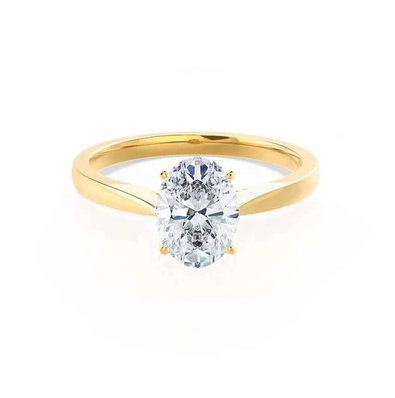
How to select pieces that tell unique personal stories
Choosing pieces that reflect your personal narrative is both an art and a meaningful journey. Whether you are curating jewelry, clothing, décor or collectibles, the goal is to find items that resonate with your identity, history and aspirations. In exploring how to select pieces that tell unique personal stories, it can be helpful to consider brands and designers such as lily arkwright, who emphasize individuality and thoughtful curation. The process goes beyond aesthetics and involves emotion, intention and self-awareness.
A personal story begins with understanding what moments, values or memories matter most to you. Before selecting anything, take time to reflect on events that shaped you or themes that consistently inspire you. These can include heritage, milestones, passions or future goals. When you have clarity about these elements, the selection process becomes more intuitive. Each piece you choose should serve as a reminder, anchor or expression of what you value most.
Consider why a piece appeals to you on both a visual and emotional level. Design, color and texture certainly draw your attention, but the story behind the piece holds equal importance. Ask yourself what emotions it evokes. Think about how it connects to your life experiences or the identity you wish to present. A well chosen piece should feel like an extension of your narrative, not a random addition. When selecting jewelry, for example, choose stones or motifs that symbolize something meaningful, such as growth, strength or love. When choosing artwork or décor, look for themes, scenes or styles that align with your memories or worldview.
Another important factor is craftsmanship. Pieces that tell a story often come from creators who pour their vision and skill into their work. Handcrafted items or designs from thoughtful brands typically have richer backgrounds and deeper symbolic value. Craftsmanship affects not only the durability and quality of the piece but also the authenticity of the story it carries. When possible, learn about the maker, the materials and the creative process. This additional context strengthens your connection to the item.
You can also use contrast to highlight unique elements of your personal story. Sometimes the most meaningful pieces stand out because they break away from your usual style or routine. For example, a minimalist dresser may choose one vibrant, handcrafted accessory to represent a bold life transition. A collector of modern art might select a traditional item that reflects their cultural roots. Do not be afraid to mix different influences. A diverse assortment of pieces often represents the complexity of your personal experiences.
When curating pieces with personal meaning, prioritize longevity. A good story is not fleeting, and the items that represent it should be able to grow with you. Opt for durable materials, timeless styles and designs you can see yourself appreciating for years to come. Personal stories evolve, and your curated pieces should be able to evolve with them instead of becoming irrelevant.
Finally, trust your instincts. Sometimes a piece resonates instantly, even before you fully understand why. Pay attention to that feeling. Often, the subconscious recognizes connections that your conscious mind has not yet articulated. Let emotion guide you, and give yourself permission to choose pieces that simply feel right.
Selecting items that tell unique personal stories is ultimately about acknowledging who you are and celebrating what defines you. With intention, reflection and an eye for meaning, you can build a collection of pieces that not only beautify your life but also give voice to your personal journey.