
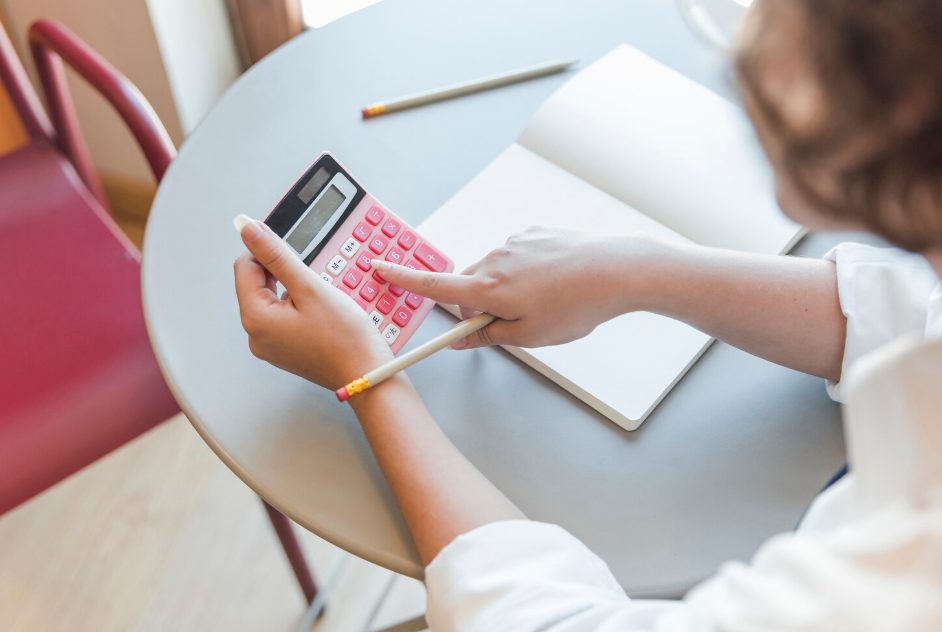
Fast Solutions for Percentage Calculations
Percentage calculations are part of everyday life. People use them while shopping, studying, managing business accounts, tracking discounts, comparing prices, and reviewing financial changes. Because percentages appear so often, having quick and accurate ways to solve them can save time and reduce mistakes. Modern tools make percentage math easier than ever before.
One of the most useful tools is a calculator for percentage difference. This helps compare two values and shows how much they vary in percentage terms. It is useful when checking price changes, measuring growth, reviewing sales performance, or comparing statistics over time. Instead of doing manual formulas, users can enter two numbers and get instant results.
For example, if a product price rises from $80 to $100, knowing the percentage change gives a clearer understanding than simply seeing a $20 increase. Businesses often use this type of calculation to study monthly revenue, customer growth, inventory costs, and market trends. Students also use it in mathematics, economics, and science projects.
Another highly practical tool is a percentage of a number calculator. This is ideal when finding a portion of any value. People commonly use it for discounts, taxes, commissions, tips, interest rates, and budgeting. If someone wants to know fifteen percent of two hundred, a calculator gives the answer immediately.
Retail shoppers often rely on these calculations during sales seasons. A discount label may show twenty percent off, but knowing the actual amount saved helps compare deals more effectively. Quick percentage tools remove confusion and help buyers make smarter purchasing choices.
Business owners use percentage calculations every day. They may need to calculate profit increases, advertising returns, employee bonuses, or supplier price changes. Fast answers allow them to make better decisions without delaying operations. In competitive markets, quick analysis can be a major advantage.
Students benefit greatly as well. Percentage topics are common in school exams and entrance tests. Using tools to practice calculations builds confidence and improves understanding. Once students see how percentages work in real life, the subject becomes much easier to learn.
Budget planning is another area where percentages matter. Families often divide income into savings, bills, groceries, and personal spending. Knowing what percentage of income goes to each category helps create healthier financial habits. It also makes it easier to spot overspending.
Manual calculations can sometimes lead to mistakes, especially when working with decimals or multiple numbers. Online tools and mobile apps reduce this risk by producing accurate results instantly. Many also allow repeated calculations, which is useful when comparing several options at once.
To get the best results, users should always enter numbers carefully. Even a small typing error can change the final percentage. Double checking values helps maintain accuracy, especially for business or financial decisions.
It is also helpful to understand when to use each method. If comparing two numbers over time, a calculator for percentage difference is the better option. If finding a share of a total amount, a percentage of a number calculator is more suitable. Choosing the right tool saves effort and gives clearer answers.
Technology has made percentage math more accessible for everyone. Instead of memorizing formulas or spending time solving by hand, people can focus on understanding the meaning behind the numbers. This leads to better planning, smarter spending, and improved decision making.
In conclusion, percentage calculations are valuable in daily life, education, and business. Fast tools help users save time, avoid errors, and understand numbers with confidence. Whether comparing values or finding a portion of an amount, using reliable percentage methods makes everyday math simple and effective.