
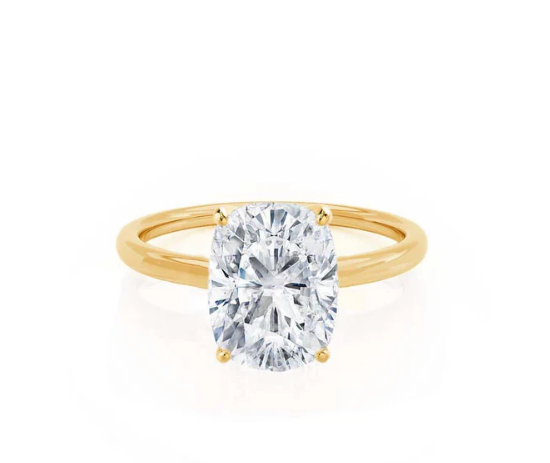
Why subtle elegance continues shaping modern aesthetics
In the evolving world of design and personal expression, subtle elegance has become a guiding influence across fashion, interiors, branding, and lifestyle. This understated approach aligns closely with the refined sensibilities embraced by contemporary tastemakers, including brands such as lily arkwright and many others who prioritize quality over excess. As consumers seek meaningful, lasting beauty, subtle elegance provides a refreshing alternative to trends that fade quickly.
Modern aesthetics have shifted dramatically over the past decade. Instead of celebrating loud patterns or overly intricate details, people are gravitating toward refined minimalism and quiet luxury. Subtle elegance captures this cultural movement, focusing on graceful lines, neutral palettes, and intentional choices. This style allows form and function to work together effortlessly. The result is an aesthetic that feels timeless rather than tied to seasonal trends.
One reason subtle elegance remains influential is its versatility. It adapts easily to different environments and personal tastes. In interior design, this approach emphasizes clean spaces, natural materials, and soft color gradients that create a feeling of calm. A room built on subtle elegance invites connection, comfort, and clarity. It avoids sensory overload while allowing standout pieces to shine without competition. Whether it is a carefully chosen piece of artwork or a uniquely textured chair, each element appears intentional.
Fashion has also embraced this movement. Instead of bold prints or layers of embellishment, modern wardrobes highlight pieces with precise tailoring, breathable fabrics, and well-balanced proportions. The beauty lies in simplicity. Clothing that relies on subtle elegance offers longevity in both style and quality, encouraging a more sustainable approach to dressing. Consumers increasingly appreciate garments that enhance their natural presence rather than overwhelm it.
Branding and visual communication follow similar patterns. Companies understand that minimalist logos, soft color schemes, and uncluttered layouts convey trust and sophistication. Subtle elegance can elevate brand identity by making it memorable without noise. Businesses in luxury sectors, wellness, beauty, and even technology often use this aesthetic to express clarity, precision, and confidence. In a world full of distractions, understated branding stands out by being calm and intentional.
Another key factor behind the enduring relevance of subtle elegance is emotional resonance. People are drawn to designs that feel effortless and authentic. Subtle elegance communicates a sense of balance that many individuals crave in a fast paced, digitally saturated world. When objects, spaces, and visuals are thoughtfully composed, they create a restorative environment. This emotional connection makes subtle elegance more than just a stylistic preference; it becomes a lifestyle philosophy centered on mindfulness, appreciation, and quality.
The rise of digital culture has also shaped this aesthetic. On social platforms, imagery with harmonious compositions and softened tones consistently performs well. Professionals and creators understand that subtle elegance makes content more engaging and visually appealing. This digital reinforcement strengthens the trend’s presence across industries and personal expression.
Ultimately, subtle elegance continues shaping modern aesthetics because it aligns with a collective desire for refinement, authenticity, and enduring beauty. It encourages thoughtful choices, values craftsmanship, and celebrates details that are often overlooked. As society embraces slower, more meaningful forms of consumption, this understated approach offers a grounding reminder that sophistication does not require extravagance. The influence of subtle elegance will likely continue to expand, redefining how we perceive beauty in the modern world.